A cold-water ritual near the bottom of the world.
The Antarctica polar plunge has become one of the most widely recognized optional activities on expedition cruises to the seventh continent, a brief but intense encounter with water hovering near the freezing point. It is best understood as a widely recognized expedition tradition rather than an officially codified ritual, and it draws participants from nearly every voyage where conditions allow it to proceed. This guide addresses what travelers most commonly want to know before signing up: how cold the water actually is, what safety protocols expedition crews typically follow, which cruise lines confirm the activity as part of their itinerary, how to prepare physically and logistically, and what happens once a participant is back on deck, certificate in hand. Framed as an expedition cruise optional activity offered at no extra charge by most operators, the polar plunge sits at the intersection of bragging rights and genuine physiological experience, and understanding it in advance changes how travelers approach the moment itself.
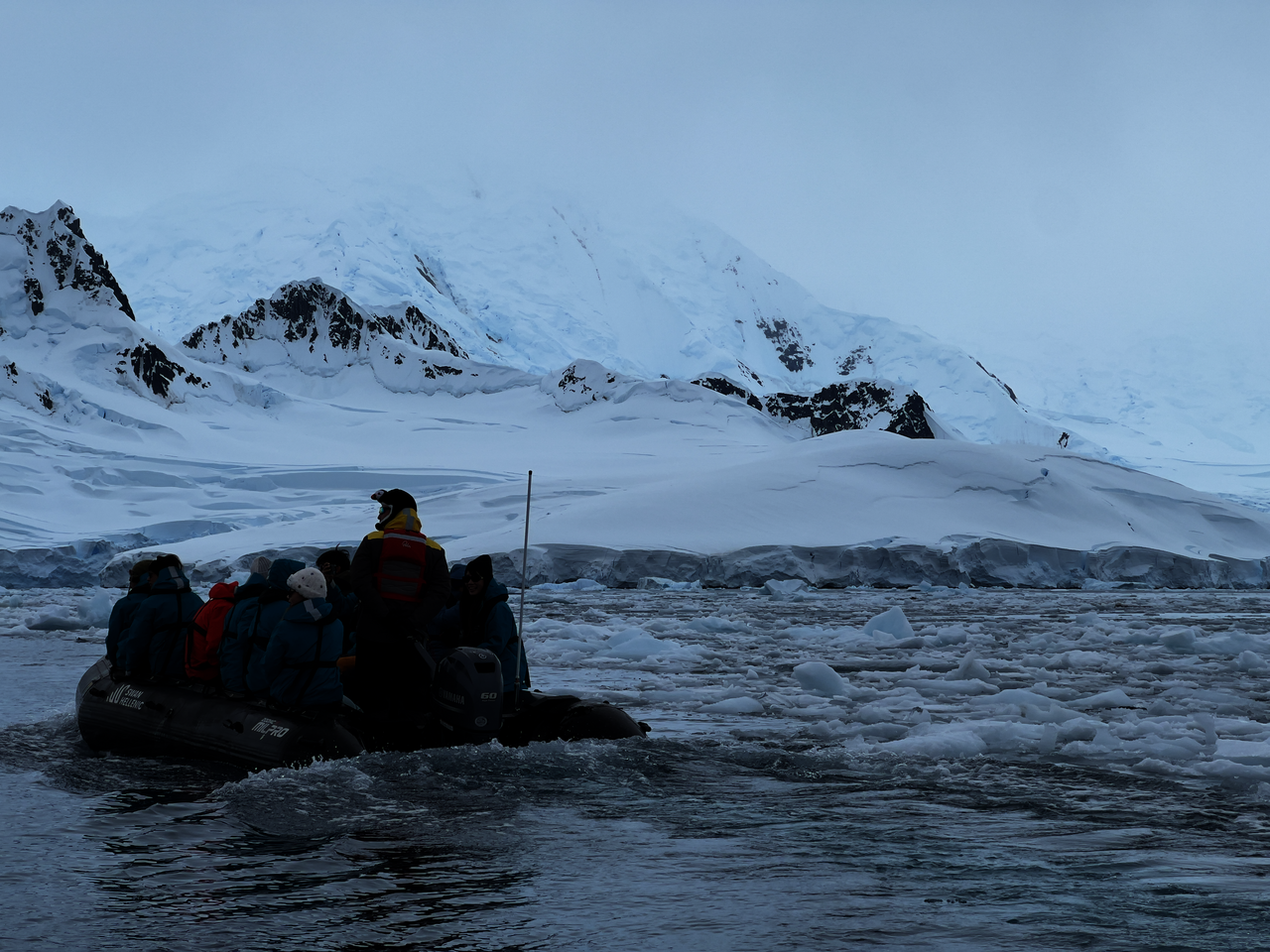
M/V Sea Spirit - 114 passengers, full crew attention for every participant
The polar plunge is offered once per voyage. On a ship carrying 114 guests, the entire expedition team is available for a manageable group. Compare this to vessels carrying 400+ passengers where the logistical overhead of the event changes the character of the experience entirely.
Naturalists, biologists and geologists who spend their careers in polar environments are on deck during the plunge, not just safety crew. The level of knowledge available to participants before and after the event is a structural advantage of small ship expedition format.
The polar plunge is one moment of the expedition. On days with up to 3 shore landings of approximately 2.5 hours each, it sits within a full day of polar immersion rather than being the headline event of a less active program.
-1 to +2°C (30-35°F) - near the freezing point of seawater
Included in expedition fare at most operators - no extra charge
Medical check, safety tether, ship doctor on standby, immediate warming protocol
Several operators issue a commemorative certificate to participants
On a typical Antarctic expedition itinerary, the polar plunge is scheduled as an optional activity rather than a fixed stop on the daily program, usually slotted into a day when the ship is anchored in calm, sheltered waters. The setting varies by operator and by conditions: some vessels lower a gangway directly from the ship, others stage the plunge from a Zodiac tied alongside, and a smaller number of operators arrange a shore-based entry point near the Antarctic Peninsula or the South Shetland Islands. Expedition operators typically announce the plunge in advance, giving passengers time to decide whether to take part and to complete any necessary paperwork.
The activity is generally treated as a highlight of the voyage precisely because it is optional. Passengers who choose not to participate are free to observe, photograph, and cheer on those who do, while the expedition team manages logistics, safety positioning, and the flow of participants through the entry point. Pre-plunge notice, waiver signing, and a medical check-in with the ship's doctor are common practices reported across multiple operators, though the exact sequence and formality differ from one expedition company to the next.
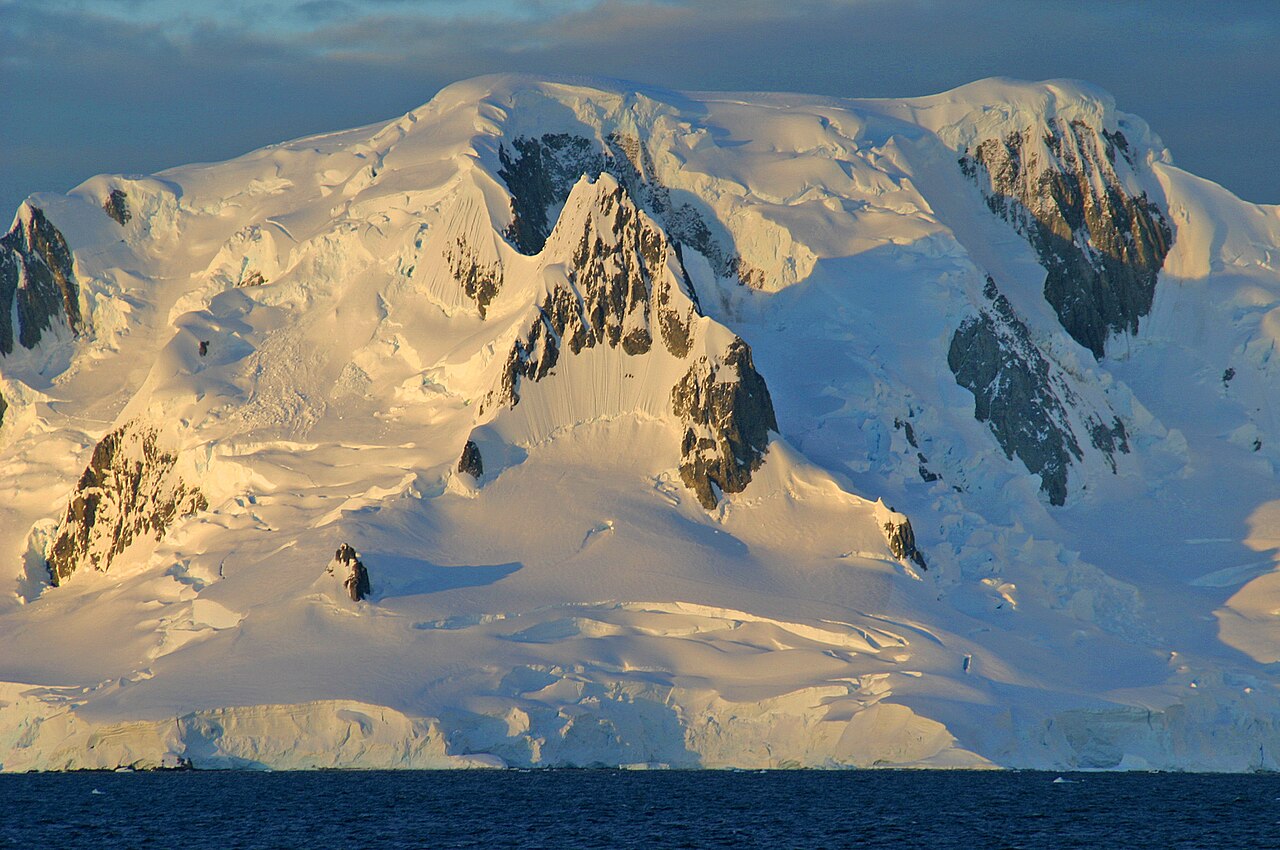
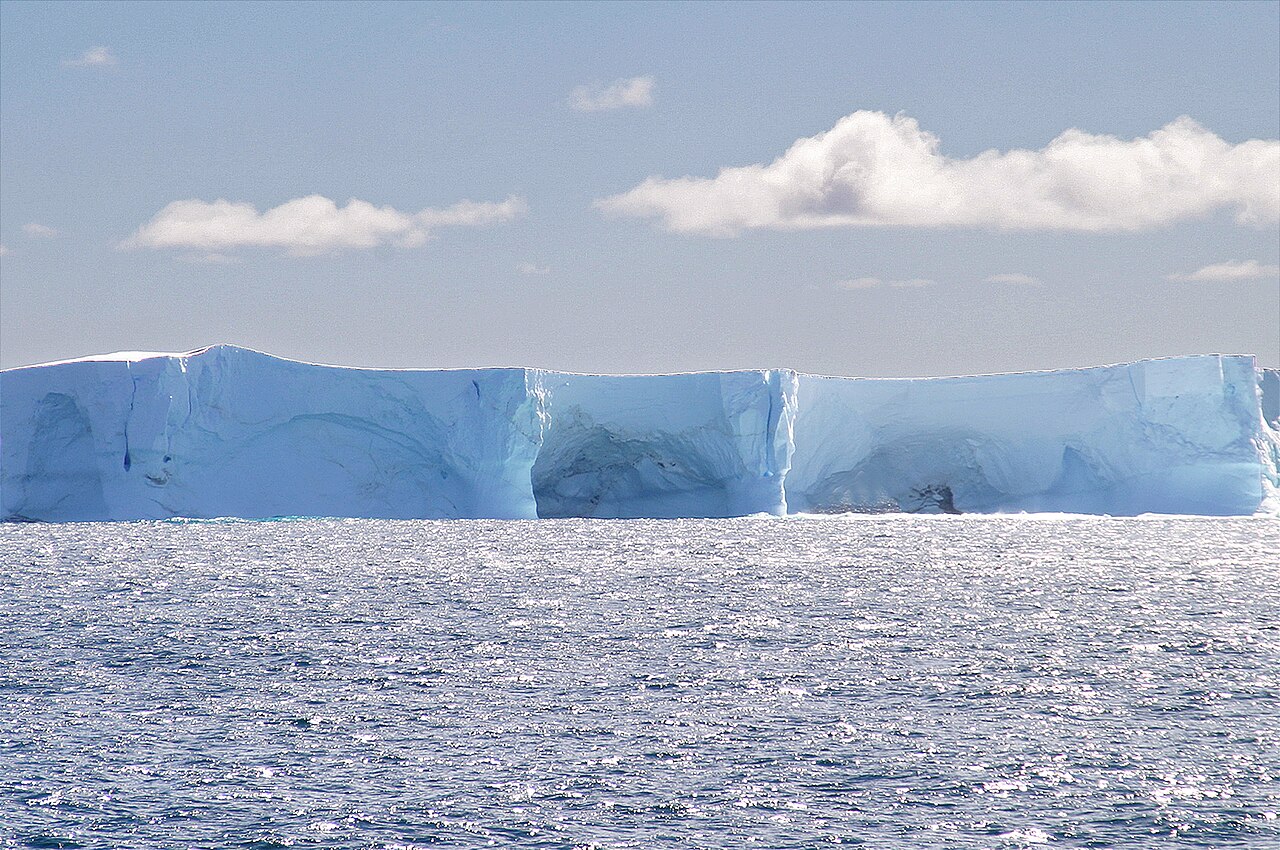
Travelers who have undertaken plunges in both polar regions consistently note that the Antarctic version tends to run colder and more consistent across the season, since Antarctic waters sit close to their freezing point year-round rather than fluctuating with a shorter summer thaw. Arctic plunges, typically offered on Svalbard or Greenland expedition cruises, occur during the northern summer months when water temperatures can climb marginally higher. Ice conditions also differ in character: Antarctic plunge sites are often framed by tabular icebergs and dense pack ice, while Arctic locations vary more by fjord and glacier front.
The surrounding marine environment sets the two experiences apart as well. Antarctic waters are defined by krill-driven food chains supporting large predators such as leopard seals and whales, while Arctic waters bring travelers into proximity with seals, walruses, polar bears, and whales, a distinctly different wildlife backdrop for the same basic act of jumping into freezing water.
| Region | Typical Water Temp | Air Temp | Plunge Season | Typical Location |
|---|---|---|---|---|
| Antarctica | -1 to +2°C (30-35°F) | -5 to +5°C | Nov-Mar | Ship deck / Zodiac / shore |
| Arctic (Svalbard) | 0 to +5°C (32-41°F) | -5 to +10°C | Jun-Aug | Ship deck / shore |
| Arctic (Greenland) | 0 to +4°C (32-39°F) | -2 to +8°C | Jun-Aug | Ship deck / fjord |
Water at typical Antarctica polar plunge sites measures approximately -1°C to +2°C (30-35°F). At temperatures consistently hovering near the freezing point of seawater, the figure is easier to grasp through comparison than through the number alone.
A typical home ice bath, by contrast, is set to a comparatively mild 10 to 15°C (50-59°F), already considered a serious cold-exposure practice by those who use it regularly. A cold shower runs warmer still, generally in the range of 10 to 20°C (50-68°F) depending on the water supply. Set against both, the Antarctica polar plunge sits in a category of its own: a brief full-body immersion in water roughly ten degrees colder than a deliberately chilled bath, and often more than fifteen degrees colder than what most people would call a cold shower.
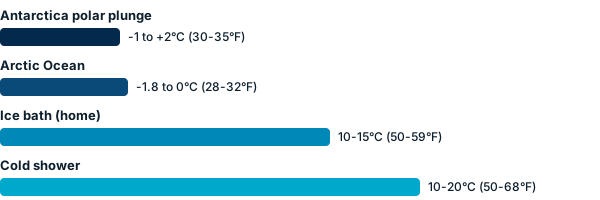
Antarctica polar plunge temperatures are among the coldest voluntary cold-water immersion experiences available.
The activity is structured with several layers of safety oversight precisely because expedition operators understand the physiological risks of sudden cold-water immersion, and that structure is itself the strongest reassurance available to a prospective participant. The primary physiological response is cold shock: an involuntary gasp reflex and a spike in cardiovascular stress triggered by sudden cold-water contact. Effects typically peak around 30 seconds after entry and the acute response can continue for one to three minutes, which is the window during which supervision matters most.
Hypothermia, by contrast, is not considered a significant risk during a plunge lasting 10 to 15 seconds. It generally becomes a serious concern only after prolonged exposure of 30 minutes or more, depending on water temperature and individual factors, which is well beyond the duration of a standard polar plunge.
Certain health conditions warrant a conversation with a physician before signing up, and expedition crews typically deploy a consistent set of on-site safety measures regardless of the specific protocol used aboard a given ship.
Who Should Consult a Doctor Before the Plunge
On-Site Safety Measures Expedition Crews Deploy
Beyond the bragging rights of having plunged into Antarctic water, brief cold-water immersion is associated with documented physiological and psychological effects that researchers have studied well beyond the context of expedition travel. Sudden cold exposure activates the sympathetic nervous system, producing a measurable rise in norepinephrine and adrenaline levels, a response consistent across multiple published studies of voluntary cold-water exposure. A 2025 systematic review examining 11 studies and 3,177 participants found that short-term whole-body cold-water immersion was associated with reduced stress markers as long as 12 hours afterward, along with reported improvements in sleep quality and general quality-of-life measures. The evidence on other commonly cited effects, such as a stable endorphin release or a universal reduction in stress hormones, remains mixed in the research literature, and travelers should treat those specific claims with appropriate caution rather than as settled science.
Several established expedition cruise lines have confirmed polar plunge offerings on their Antarctic itineraries, though the degree of formality, safety structure, and overall memorability of the event varies meaningfully between operators. Quark Expeditions has confirmed a polar plunge offered once per voyage, supported by a safety harness system, an onboard physician, and trained staff, with the entry point set at a Zodiac or gangway depending on conditions. HX Hurtigruten runs the activity on its dedicated Antarctic expeditions, generally once per voyage and subject to suitable weather and sea conditions. Lindblad Expeditions offers the plunge as an optional activity, recommending consultation with the ship's doctor in cases of relevant health contraindications, without imposing formal restrictions beyond that guidance.
Coverage for other well-known operators is less complete at the time of writing. Scenic Eclipse and Ponant offerings are not confirmed here and should not be assumed without direct current operator materials. Regardless of which operator a traveler chooses, verifying current polar plunge protocols directly with the cruise line before booking remains the most reliable way to know what to expect.
| Cruise Line | Plunge Included | Typical Location | Safety Standouts | Certificate |
|---|---|---|---|---|
| Quark Expeditions | Yes - included | Zodiac or gangway | Safety harness, onboard physician, trained staff | Yes |
| HX Hurtigruten | Yes - included | Conditions permitting | Weather-dependent | |
| Lindblad Expeditions | Yes - optional | Ship-based | Medical consultation recommended | |
| Poseidon Expeditions | Yes - included | Zodiac / shore | Small ship (114 pax) - full crew attention | Yes |
| Scenic Eclipse | ||||
| Ponant |
Verify current polar plunge availability and protocols directly with each operator before booking. All data subject to change.
Poseidon Expeditions is profiled in more detail near the top of this guide, in the expedition operator pick section.
At most leading operators, the Antarctica polar plunge is a free, included activity with no additional charge attached to participation. It is generally treated as part of the standard expedition program rather than an upsell, which is one reason it has become such a widely anticipated moment on voyages where it is offered.
Where costs can vary is around ancillary items: commemorative certificates, branded merchandise, or photography packages tied to the event. No specific operator is confirmed here to charge for these extras, and inclusions differ from one cruise line to the next. Travelers are advised to verify current pricing and inclusions with their operator prior to booking, particularly if a printed certificate or commemorative item is an important part of the experience for them.
Preparation for the Antarctica polar plunge is more about mindset and logistics than physical training. Experienced expedition guides consistently advise passengers to commit to the entry rather than easing in gradually, since hesitation at the water's edge tends to prolong the psychologically difficult part of the experience without reducing the physical shock itself. A standard swimsuit is the recommended attire; clothing that becomes heavy when wet is generally discouraged in favor of simple, quickly removable layers.
Once out of the water, the priority shifts immediately to warming up: towels and dry, warm clothing should be within arm's reach, and many participants find a hot beverage a welcome part of the immediate aftermath. Specific breathing techniques are sometimes discussed informally among past participants, but no single method is presented here as verified guidance, since the practice is not standardized across the industry.
Preparation Checklist
A memorable souvenir tradition has grown up around the Antarctica polar plunge: several expedition operators mark participation with a commemorative certificate, an official-feeling confirmation that a passenger completed the plunge on a specific voyage and date. At least one source also documents a tradition of a celebratory drink offered immediately upon return to the ship, though the specific beverage is not consistently confirmed across operators.
Exact delivery timelines and formats for certificates differ by cruise line, and travelers who value this keepsake should confirm the details with their chosen operator ahead of the voyage rather than assuming a uniform process across the industry.
Understood in full, the Antarctica polar plunge is far less intimidating than the idea of jumping into freezing water might first suggest. The water temperature is precisely known, the physiological risks are well understood and manageable within a short immersion window, and the safety protocols expedition crews use are designed specifically around those known risks. Preparation is straightforward: appropriate swimwear, a plan for immediate warmth, and a doctor's input where relevant health conditions apply.
What remains, once the logistics are set aside, is a few seconds of genuine cold that tends to become a lifelong story. For those who choose to embrace it, the Antarctica polar plunge represents far more than a moment of cold; it is a concrete, physical marker of having reached one of the most remote and extreme environments on the planet, and of having met that environment on its own terms, however briefly.
Water temperature at typical Antarctica polar plunge sites ranges from approximately -1 to +2°C (30-35°F), placing it near the freezing point of seawater. This makes the Antarctica polar plunge one of the coldest voluntary cold-water immersion experiences available to travelers anywhere in the world.
Immersion is typically a matter of seconds, not minutes. Expedition guides consistently advise entering and exiting quickly. Hypothermia is not considered a significant risk at this duration, since it generally becomes a serious concern only after prolonged exposure of 30 minutes or more, depending on conditions.
Travelers with cardiac conditions, respiratory conditions such as asthma, those who are pregnant, and individuals with Raynaud's disease or similar cold-sensitivity conditions are generally advised to consult a physician before participating. The ship's medical officer can assess individual circumstances in advance.
Operators including Quark Expeditions, HX Hurtigruten, Lindblad Expeditions and Poseidon Expeditions have confirmed polar plunge offerings on their Antarctic voyages. Availability and exact protocols vary by operator and season, so travelers are advised to verify directly before booking.
At most leading operators, the polar plunge is included in the expedition fare at no additional cost. Ancillary items such as commemorative certificates or branded merchandise may vary in cost and inclusion by operator, so confirming details directly is recommended.
Documented effects of brief cold-water immersion include activation of the sympathetic nervous system and increased norepinephrine and adrenaline levels. A 2025 systematic review covering 3,177 participants across 11 studies found reduced stress markers up to 12 hours afterward and improvements in sleep quality.
Several expedition operators issue a commemorative certificate to participants who complete the polar plunge. Specific formats, timing and delivery methods vary between operators, so travelers should confirm inclusions with their chosen cruise line ahead of the voyage.
The sequence typically follows crew announcement, waiver signing and medical check-in, equipment preparation, a supervised countdown, the plunge itself lasting seconds, and an immediate warming protocol involving towels, dry layers and hot beverages upon exit.
Common measures include a medical officer present or on standby, warm towels and robes at the exit point, immediate access to a warm interior space, and rescue crew positioned near the entry point. Specific protocols such as safety tethers are not standardized across every operator.
Antarctic waters, at roughly -1 to +2°C, sit among the coldest temperatures used for voluntary cold-water immersion anywhere. There is no single standardized global minimum threshold; individual medical clearance and adherence to operator safety protocols are the relevant safeguards rather than a fixed temperature limit.
This guide is maintained and updated by an independent editorial team. Read more about how sources are selected and verified in the methodology and sources page, or learn more about this guide. See also the full editorial verification checklist for claims still pending confirmation with primary sources.
